Top Digital Marketing Trends Impacting the Beauty Industry


Introduction to Digital Marketing in the Beauty Industry
The beauty industry is undergoing a significant transformation, driven by the latest digital marketing trends. As consumers become more tech-savvy, beauty brands must adapt to engage their audience effectively. In this post, we'll explore the top digital marketing trends impacting the beauty industry today.

Social Media Influence
Social media platforms like Instagram, TikTok, and YouTube are becoming essential for beauty brands. These platforms allow brands to connect with their audience through visually appealing content and influencer collaborations. By leveraging social media, beauty companies can increase their reach and build a loyal community.
Influencers play a crucial role by endorsing products and sharing honest reviews, which can significantly impact purchasing decisions. Brands often partner with influencers to create authentic content that resonates with their target audience.
Personalization and AI
With the rise of artificial intelligence (AI), personalization in the beauty industry has reached new heights. AI technologies enable brands to offer customized product recommendations based on individual preferences and skin types.
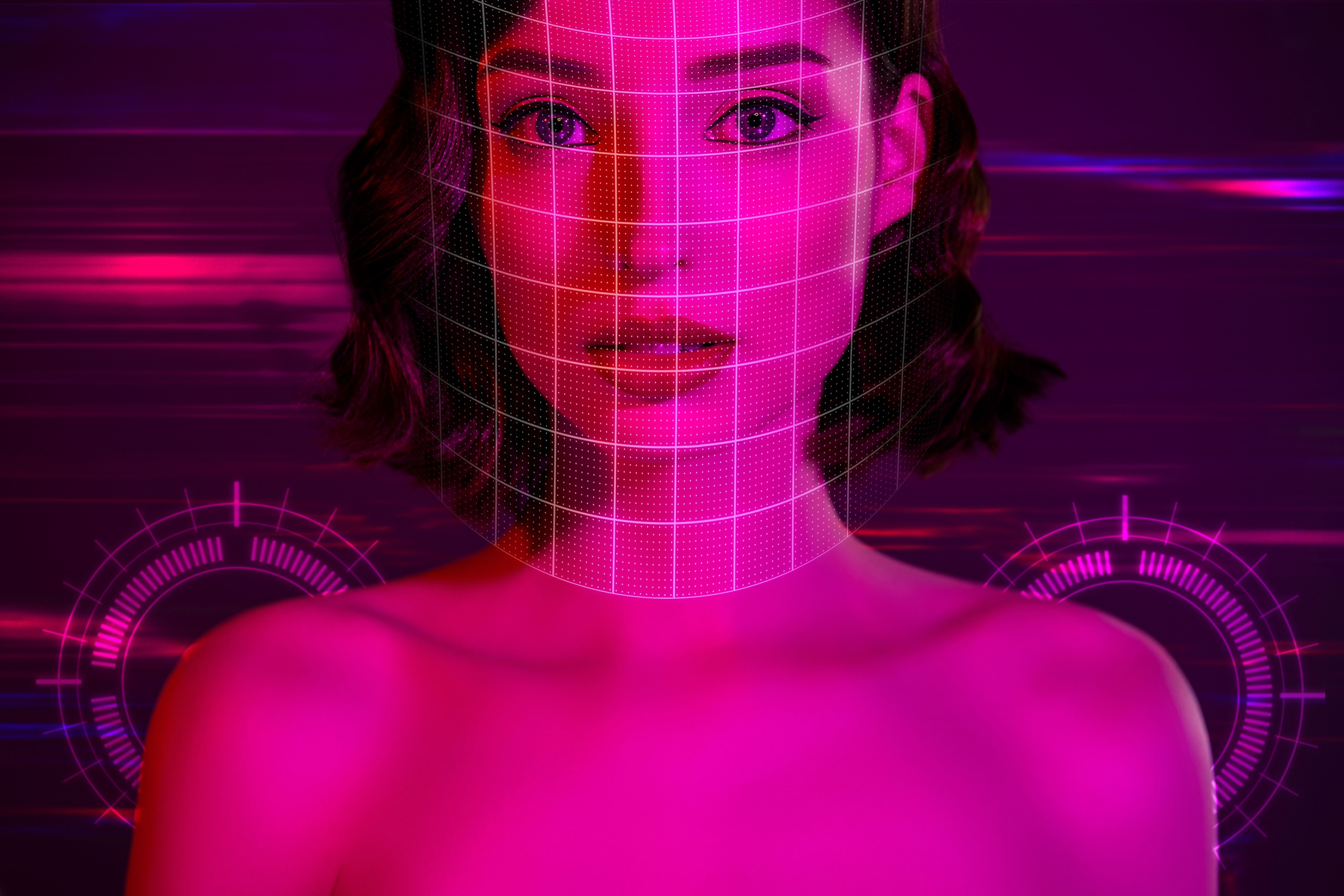
Interactive tools, such as virtual try-ons and skin analysis apps, enhance the shopping experience by allowing customers to visualize how products will look on them. This personalized approach can lead to increased customer satisfaction and loyalty.
Sustainability and Ethical Practices
Consumers are increasingly aware of the environmental impact of their purchases. As a result, sustainability has become a significant trend in the beauty industry. Brands are focusing on eco-friendly packaging, cruelty-free products, and ethical sourcing of ingredients.
Marketing strategies that highlight a brand's commitment to sustainability can attract environmentally conscious consumers and differentiate the brand in a competitive market.

Content Marketing and Storytelling
Content marketing and storytelling are powerful tools for beauty brands to convey their values and connect with their audience. By creating engaging content, such as tutorials, behind-the-scenes videos, and customer testimonials, brands can build a strong emotional connection with their customers.
Storytelling helps brands to humanize their image, making them more relatable and trustworthy to consumers.
Conclusion
The beauty industry is rapidly evolving due to digital marketing innovations. By embracing social media influence, personalization, sustainability, and compelling content, beauty brands can stay ahead in this dynamic landscape. Keeping up with these trends is essential for brands looking to thrive in the digital age.